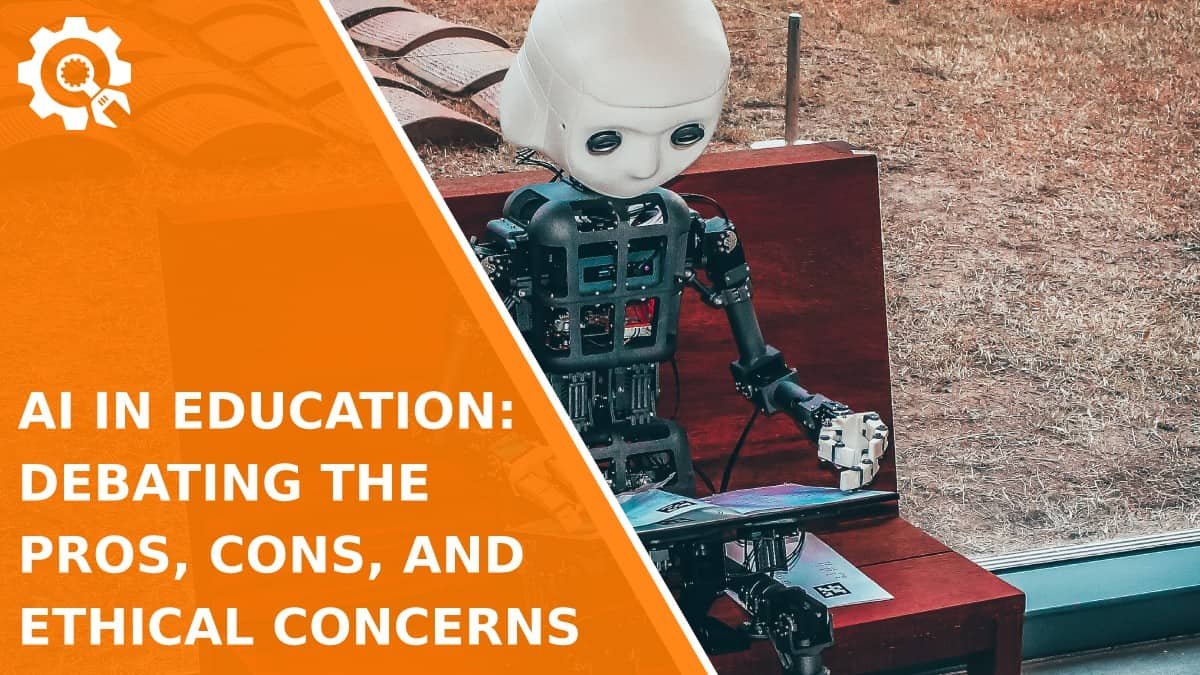
The promise of artificial intelligence in education is nothing short of revolutionary, but the journey forward is paved with critical Ethical Considerations & The Future of AI in Education. We're talking about a paradigm shift that could personalize learning, unlock unprecedented insights, and free educators to focus on what humans do best: inspire and connect. Yet, as AI weaves its way into our classrooms, it's also exposing deeply uncomfortable truths about equity, bias, and the very essence of human learning. This isn't just about integrating new tech; it's about thoughtfully shaping a future where AI serves all learners, not just the privileged few.
At a Glance: Navigating AI's Ethical Landscape in Education
- Equity First: AI's benefits are currently unevenly distributed, exacerbating existing educational disparities. We must prioritize universal access and design.
- Bias is Built-In (Unless We Act): AI models learn from existing data, inheriting and amplifying societal biases if not meticulously audited and corrected.
- Data Privacy & Security: Protecting student and teacher data is paramount as AI systems collect vast amounts of information. Robust safeguards are non-negotiable.
- Human Agency & Autonomy: AI should augment, not replace, human decision-making and creativity. Learners and educators must remain in control.
- Teacher Empowerment, Not Replacement: AI offers powerful tools for educators, transforming their roles from content delivery to personalized guidance and mentorship.
- Global Collaboration is Key: Addressing these ethical dilemmas requires shared dialogue, policy, and frameworks across nations and cultures, as advocated by UNESCO.
The Uneven Playing Field: AI's Promise Meets Stark Reality
Artificial intelligence is already reshaping how students learn and teachers teach, offering everything from intelligent tutoring systems to automated assessment tools. Imagine an AI that adapts content to a student’s specific learning style, provides instant feedback, or even helps a teacher generate AI lesson plans tailored to diverse classroom needs. The potential for personalized, engaging, and efficient education is immense.
However, as UNESCO points out, this transformation is happening unequally. For nearly a third of humanity still offline, AI's cutting-edge models remain a distant dream. Even for those with internet access, the best AI tools often come with hefty subscriptions, demand robust infrastructure, and are predominantly developed in certain languages, inadvertently sidelining diverse knowledge systems and cultural values. This isn't just a digital divide; it's a knowledge divide, deepening existing inequities and threatening to leave many behind.
Navigating the Ethical Minefield: Core Dilemmas in Educational AI
Integrating AI into education isn't a neutral act. It brings with it a host of ethical challenges that demand our immediate and sustained attention. Ignoring these "dilemmas and disruptions," as UNESCO describes them, would be a profound disservice to future generations.
The Specter of Algorithmic Bias
AI systems are only as unbiased as the data they're trained on. If that data reflects historical inequalities in society – be it racial, gender, or socioeconomic biases – the AI will not only learn these biases but also amplify them. In education, this could manifest as:
- Unfair Assessments: AI-powered grading tools might inadvertently penalize students from certain backgrounds due to language nuances or cultural references in their responses.
- Limited Opportunities: Recommender systems, designed to suggest career paths or advanced courses, could inadvertently funnel students into traditional roles based on biased historical data, stifling diverse aspirations.
- Exacerbating Stereotypes: Educational content generated by AI, if not carefully curated, could perpetuate harmful stereotypes or omit diverse perspectives.
Ensuring fairness requires a commitment to detecting bias in AI tools and actively diversifying datasets, continuously auditing algorithms, and embedding human oversight at every stage.
Safeguarding Student Data and Privacy
AI thrives on data. To personalize learning, identify patterns, and provide tailored feedback, AI systems often collect vast amounts of information about students' performance, behavior, and even emotional states. This raises serious questions about student data privacy and cybersecurity:
- Who owns the data? Is it the student, the school, or the AI provider?
- How is the data stored and secured? Are there sufficient protections against breaches and misuse?
- How is the data used? Is it solely for educational purposes, or could it be leveraged for commercial interests or surveillance?
- Informed Consent: Can students and parents truly give informed consent when the workings of AI are often opaque and its future uses uncertain?
Robust data governance policies, transparent data collection practices, and strong legal frameworks are essential to build trust and protect vulnerable learners.
Human Agency, Autonomy, and the "Black Box" Problem
One of the most profound ethical challenges lies in preserving human agency. When AI makes decisions about a student's learning path, grades, or even disciplinary actions, who is accountable?
- Over-reliance on AI: Students might become overly dependent on AI tools, potentially hindering the development of critical thinking, problem-solving, and self-regulation skills.
- The "Black Box": Many advanced AI models operate as "black boxes," where even their creators can't fully explain how a particular decision was reached. This lack of transparency undermines accountability and trust, making it difficult to challenge an AI's judgment.
- Erosion of Creativity and Criticality: If AI provides all the answers, what happens to the joy of discovery, the struggle of wrestling with complex ideas, or the development of independent thought?
The goal should always be human-machine co-creation, as envisioned by UNESCO, where AI augments human capabilities rather than diminishing them.
The Digital Divide: Worsening Educational Inequity
As noted, the uneven distribution of AI access is a critical concern. If cutting-edge AI tools are only available to well-resourced schools or students with individual subscriptions, the gap between those who have and those who have not will widen dramatically. This isn't merely about access to technology; it's about access to quality education, future opportunities, and ultimately, social mobility.
Addressing this requires deliberate efforts to foster equitable access to AI in education, including investments in public infrastructure, open-source AI educational tools, and policies that ensure availability across all socioeconomic strata.
Building an Ethical Compass: Frameworks for Responsible AI
Moving forward responsibly requires more than just identifying problems; it demands proactive solutions and a shared ethical framework. UNESCO's Recommendation on the Ethics of AI and its Guidance on Generative AI in Education and Research offer crucial starting points.
Human-Centered Design and Development
At the heart of ethical AI must be a human-centered approach. This means:
- Prioritizing Human Well-being: AI should enhance human flourishing, not detract from it. Its design must consider the cognitive, social, and emotional impacts on learners and educators.
- Transparency and Explainability: Where possible, AI systems should be designed to be transparent, allowing users to understand how decisions are made. When true explainability is elusive, robust oversight mechanisms are crucial.
- Accountability: Clear lines of responsibility must be established for AI's actions and outcomes. If an AI system makes a mistake, who is accountable—the developer, the deployer, or the institution?
- Robustness and Reliability: AI tools must be dependable, secure, and perform as expected without introducing errors or vulnerabilities.
These principles form the bedrock of ethical AI frameworks designed to guide development and deployment.
Cultivating an "Ethics of Care" in AI Education
The UNESCO anthology explicitly mentions cultivating an "ethics of care." This philosophy emphasizes relationships, empathy, and responsibility towards others. In the context of AI in education, an ethics of care translates to:
- Nurturing Human Connection: Ensuring AI enhances, rather than diminishes, the vital human relationships between students, teachers, and peers.
- Supporting Vulnerable Learners: Designing AI that specifically addresses the needs of students with disabilities, those from marginalized communities, or those facing particular learning challenges.
- Promoting Empathy and Understanding: Using AI to foster cross-cultural understanding, expose students to diverse perspectives, and develop their sense of global citizenship.
This goes beyond mere technical compliance; it's about instilling a moral compass into the very fabric of AI integration.
Redefining Roles: Educators, Learners, and the AI Revolution
AI isn't here to replace teachers, but it will undoubtedly transform their roles. Instead of fearing replacement, educators should embrace the opportunity to evolve into expert facilitators, mentors, and designers of learning experiences.
Teachers as AI Navigators and Designers
With AI handling routine tasks like grading multiple-choice quizzes or providing instant grammatical feedback, teachers can focus on higher-order tasks:
- Personalized Mentorship: Diving deeper into individual student needs, offering tailored emotional support, and fostering critical thinking.
- Curriculum Innovators: Designing richer, more creative learning experiences that leverage AI tools effectively.
- Ethical Guides: Teaching students how to critically evaluate AI-generated content, understand its limitations, and use it responsibly.
- Data Interpreters: Using AI-generated insights to inform pedagogical decisions, rather than being dictated by them.
For this shift to be successful, comprehensive training and ongoing professional development in AI literacy for educators is paramount.
Students as Critical Co-Creators
Students, too, must adapt. They won't just be consumers of AI-driven content but active participants in shaping their learning journeys. They need to develop:
- AI Literacy: Understanding how AI works, its capabilities, and its ethical implications.
- Critical Thinking: Learning to question AI outputs, verify information, and discern bias.
- Problem-Solving with AI: Using AI as a tool to solve complex problems, not just to find answers.
- Digital Citizenship: Practicing responsible and ethical behavior in digital environments, particularly when interacting with AI.
This shift empowers students to become thoughtful, ethical contributors to a world increasingly shaped by AI.
Practical Steps for an Equitable AI Future in Education
Building a truly equitable and ethical AI future in education isn't an overnight task. It requires concerted effort across multiple fronts:
1. Develop Comprehensive Policies and Governance
Schools, districts, and national education bodies must establish clear policies around AI use. These should cover:
- Data Privacy: Strict guidelines on what data can be collected, how it's stored, and who has access.
- Algorithmic Transparency: Requirements for vendors to disclose how their AI models work, especially concerning fairness and decision-making.
- Accountability Frameworks: Defining responsibility when AI systems err or produce biased outcomes.
- Procurement Guidelines: Ensuring that AI tools purchased by institutions meet ethical standards.
2. Invest in Infrastructure and Universal Access
The digital divide is not merely a technical problem; it's a societal one. Governments and private entities must collaborate to:
- Expand Internet Access: Ensure reliable, affordable broadband internet is available to every student, regardless of location or socioeconomic status.
- Provide Devices: Offer access to necessary hardware for all learners.
- Support Open-Source AI: Invest in and promote the development of open-source AI tools that are freely accessible and customizable.
3. Prioritize AI Literacy for All
Education systems need to integrate AI literacy into curricula for both students and educators.
- For Teachers: Offer robust professional development programs that equip educators with the skills to understand, integrate, and ethically guide AI use in their classrooms.
- For Students: Introduce concepts of AI, data ethics, and critical evaluation from an early age, progressively building understanding. This isn't just a computer science topic; it's essential for all disciplines.
4. Foster Continuous Research and Auditing
The field of AI is rapidly evolving. We need ongoing research into its impact on learning and development, coupled with regular, independent audits of AI tools used in education.
- Impact Assessments: Regularly evaluate the effectiveness and ethical implications of AI tools on diverse student populations.
- Bias Audits: Proactively identify and mitigate biases in algorithms and datasets, working with experts in ethics, sociology, and education.
- Adaptability: Remain agile, ready to update policies and practices as AI technology advances and new ethical challenges emerge.
5. Cultivate a Global Commons for Dialogue
As highlighted by UNESCO, fostering a "global commons for dialogue" is crucial. The ethical challenges of AI in education transcend national borders. We need shared spaces for:
- International Collaboration: Sharing best practices, research findings, and policy frameworks across countries.
- Diverse Perspectives: Ensuring that discussions include voices from the Global South, indigenous communities, and marginalized groups, preventing a single dominant narrative from shaping AI's future.
- Collective Sense-Making: Working together to reimagine curricula, pedagogy, governance, and policy with human rights, justice, and inclusion at their core.
The Future is Collaborative, Not Automated
The future of AI in education isn't about machines taking over; it's about a dynamic, ethical partnership between humans and intelligent systems. It's a future where AI handles the routine, allowing humans to soar in creativity, critical thinking, empathy, and complex problem-solving.
This journey demands courage, foresight, and an unwavering commitment to equity. By placing ethical considerations at the forefront, we can ensure that AI becomes a powerful force for good, truly disrupting education in a way that empowers every learner and builds a more just, inclusive, and intelligent world. The conversations we have and the decisions we make today will define tomorrow’s learning landscape. Let's make them count.